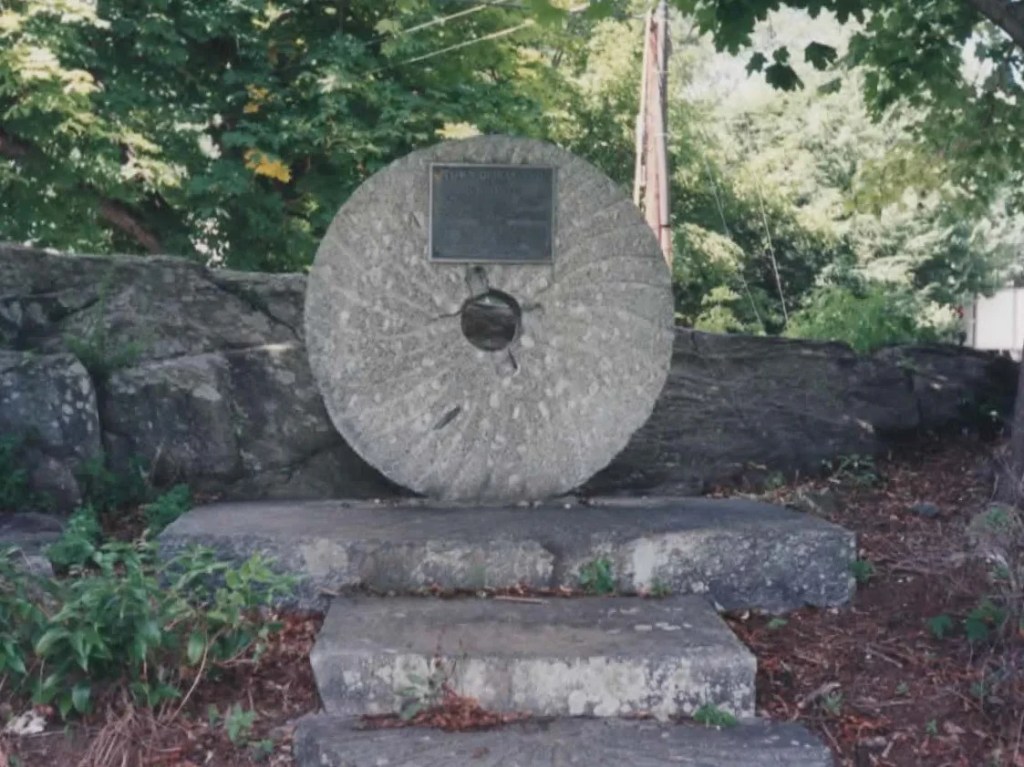
Two Sisters

Dear Little One,

Last fall, your mother and I planned to meet in the middle, at Two Sisters, one of our favorite consignment shops that lies halfway between our homes.

I was on the phone as I wheeled into the parking lot when I spotted your pretty Mama, holding your sister on her hip. Judging from your mother’s countenance, something was amiss; this I knew. I tried, as graciously as possible, to end the phone call because guess what?

Continue reading “Two Sisters”

You Will Shine Among Them Like Stars

I was enjoying a bowl of steaming potato soup in a friend’s home, and as we dined, she shared memories from her childhood.

Many decades ago, she said, my beloved father hatched a plan to curb his children’s complaining.

How? I asked.

By introducingThe Gripe Jar.”

From that point forward, she explained, all bellyaching was met with a monetary fine, sans lecture. The money was due as soon as the infraction was committed. As my friend expounded, I could almost hear those coins plinking as they were begrudgingly deposited inside the glass jar with an exaggerated sigh.

Did your father’s plan work? I asked, reaching for a slice of cheese.

She smiled. It certainly did.

I thought about “The Gripe Jar” as I drove home, and pondered how often I pass off small complaints, viewing them as harmless and, quite frankly, acceptable, given extenuating circumstances.

This is poor, unbiblical thinking, is it not?

All complaining is sin, a raging against God.

Thomas Watson said it well:

Murmuring is the rising up of oneself against God. It sets oneself against God as if I am wiser than he.

If I truly embrace God’s sovereignty, which I do, then I must shun complaining about anything the Lord has chosen to give me. In fact, my heart must play catch-up and fight to grasp what my mind already knows: there are no accidents in God’s economy. Every situation has been sifted through his omniscient hands.

A proper heart posture never grouses, only kneels.

How comforting to preach this truth to myself during life’s trials, sorrows, inconveniences, and petty annoyances. When my heart is blanketed with trust and gratitude, I will bow and sing rather than rage and moan.

No one is holding “The Gripe Jar” beneath my nose when I choose to fuss. Nevertheless, the thought of displeasing my Heavenly Father should grieve me far more than any monetary fine.

Have you noticed?

This world is chock-full of egregious complainers: men, women, and children who are championed and cheered as they protest, grumble, and bellyache at every turn.

But as Christians, we have the finest reason to replace our complaining with singing and rejoicing: we are God’s pilgrims, a redeemed people on our way to heaven with Christ.

//

I was exercising on an underwater treadmill yesterday, while a nearby cluster of women gabbed as they floated atop their fluorescent pool noodles. One began to complain — griping about the impending snowstorm, the skyrocketing cost of groceries, the gloom of tax season, her sore, arthritic shoulder, and, oh yes! her husband’s dental fiasco.

A few others nodded and proceeded to chime in with a beef or two. (Or three.) A chorus of complaints. Suddenly, the chlorinated air felt thickly oppressive. I wished for earbuds.

But there was no stopping her now! She was revved up, on a roll.

And to top it off, ladies, I can never get a treadmill reservation! The signup app is ridiculous, and

You can have mine, dear, said the lady next to me, on coveted treadmill # 1, her eyes kind and smile warm as she deserted her reserved equipment.

God is good, she said softly, shining as a star, pure and blameless.

The chorus of complainers?

Silenced.

14 Do everything without grumbling or arguing, 15 so that you may become blameless and pure, “children of God without fault in a warped and crooked generation.” Then you will shine among them like stars in the sky. (Philippians 2:14-15)


My Favorite Writer

Over two decades ago, I received an email from a college friend, telling me of a woman I will call Audrey, who, at the tender age of thirty-three, had started a blog, keeping people updated on her husband.

A husband, who, with hardly a symptom, had been diagnosed with stage 4 cancer.

Audrey did not set out to be a writer, yet her husband’s health crisis prompted her to put pen to paper. She proved herself to be a shepherdess of words, governing thoughts with exquisite care. Her sentences? Expressions beautifully arranged, overflowing with honesty, taking readers from here to there.

Initially, doctors offered hope for her husband’s survival, but as fall turned to winter, it became clear that Adam would die. 

Her words hit hard, prompting an ache in my throat as she told of glimpsing her distorted image in the reflection of the metal bed frame that hospice had delivered to their home; her firm insistence that it be positioned beneath the window in their modest bedroom, so her husband’s peaked face might be warmed by morning light.

When the pitch of night fell and blanketed their room, Audrey battled fear that clutched her throat, praying and crying softly as she reached for her husband’s hand, bridging the chasm between the bed they once shared and his thin cot.

She told of their three little children, the youngest of whom would never remember his remarkable father, a godly man and freshly ordained pastor. Readers were beckoned into the simple birthday parties she threw for her family of five: silly pillow fights followed by hard-won laughter atop Adam’s bed, random tears of inexorable frustration, pepperoni pizzas, and chocolate cake her husband did not crave yet bravely choked down for the sake of his puckish trio, as he labored to stuff their hearts with happy memories.

Memories to soften the hard edges, someday.

Audrey wrote of their quiet prayers at bedtime; as she studied her husband’s wedding band, so loose on his finger, as she toyed with her own gold ring and remembered their vows. The thumping of her heart jolted her from all reverie as a fresh wave of understanding bore down, unbidden, the gravitas and nearness of eternity, a blanket flooding their little home.

She shared of the morning’s groanings, the desire to sleep and fall into dreams of pleasant days gone by, but instead waking to three active children plus a sea of medicine bottles and suppressed moans of pain she could not assuage for her beloved.

Some of her writings were as brief as a post-it note, yet lovely: the ache of sad kisses and slow endings. The staggering farewells from Adam’s stream of young, robust friends.

It was plain to see through her flowing pen: Audrey’s husband had lived well before the face of God and was now dying in the same vein. It was also plain to see that Audrey was gently held, cradled by God, her words holy and raw, delicate while sturdy.

Eventually, when the doctors could do no more than make Adam comfortable, the elders from the church softly circled his bed as they read Psalms over their exhausted friend. This brotherhood became a chorus, singing Adam’s favorite hymn of all: A Mighty Fortress is Our God.

A Bulwark never failing.

Audrey gave her small readership the cadence to taste death, her sentences a deep, quiet pond of tedious grieving, laced with the confession of the countless ways she already missed her robust, fun, faithful husband, her best friend, now fading, withering, leaving her as a single mother even as he still lived.

Her prayers? Please, God, take him, and then one breath later: Dear Lord, please let him live.

Her melodic words spun with blood and fire, tension and restraint. She wrote from her worn-down knees, too worn for a woman in her prime. The sweetness was this: God was near in her darkest hour, and he was good, always good, and she trusted him.

It has been 22 years since I read Audrey’s words, but do you see? Her writings endure.

Never did she shun the gritty curves of suffering, nor was she guilty of wallowing: her pen spoke the hard truths exquisitely, drawing this reader to a deeper hope of eternity with Christ.

Her final post was the brief announcement of Adam’s death, and then a gracious goodbye. Audrey’s family had diminished as the five became four, the breadwinner now with God.

And then she closed the door of her blog forever; her work finished.

Adam was safely home.

I remember blinking back tears, already missing her.

Those quotidian writings lived on as her words burrowed and nestled their way down into my bones, cooking something warm and savory: an insatiable thirst for God, a hunger for heaven, and a pining to write words that endure.


Christians Bear Fruit

I was grieved recently, while listening to an online sermon in which the pastor claimed a person could “get saved,” live exactly as he had before his supposed conversion, bear no fruit, and still go to heaven.

Jesus never once offers assurance to those bent on continuing in sin.

In fact, false conversions show up in fruitless living.

If you are sitting beneath live-however-you-wish-after-you-have-raised-your-hand-and-repeated-this-prayer-after-me type of preaching, run.

Continue reading “Christians Bear Fruit”

Christmas on Washington Street

Part One:

My earliest memories of Christmas began each Thanksgiving night, on Washington Street.

The turkey platter and bone China had been washed and dried, stacked neatly on the hutch. Likewise the pewter platters. My aunt or mother would shake the crumbs off of the well-starched tablecloth, clucking, while fussing over a stubborn stain of some sort and thus hastening to the basement, murmuring about white vinegar and grease, while tossing the massive heap into the washing machine, along with bunches of soiled cloth napkins.

My grandmother bent low into the hutch, pulling out another pressed tablecloth, flinging the covering through the air with a whoosh over the sturdy table as the kettle heated for tea. The men and grandchildren were scattered: some in the living room chatting or playing cards, others napping upstairs, belts loosened a few notches after such a fine feast.

But as soon as the tea kettle whistled, everyone emerged from their preferred nooks and gathered back around the table again, grabbing a sterling silver fork and spoon. It was finally time for pie and ice cream. Grandma was known far and wide for her apple and squash pies–her crust reigned supreme. I am grateful to use that recipe today, as I have yet to taste any pie crust that comes even close to hers.

The adults poured the hottest of tea with lemon and sugar into delicate heirloom teacups, resting their spoons on matching saucers. Grandpa, forever the cold one, slipped his beloved beanie onto his balding head before descending the narrow steps to their frigid, New England basement. He shuffled about their deep freezer, as it was called, lugging a five-gallon container of Brigham’s vanilla ice cream back upstairs into the kitchen, smiling contentedly at my little brother while scooping heaping portions of delicious goodness into everyone’s bowl.

This is what I loved most about Grandpa: he lived large, and he lived to serve. Selfless I tell you. No cheap brands of anything would suffice. Quality and generosity mattered and he gave everything that was good in deep abundance, and with wild abandon.

Once the ice cream was served, Grandpa unwrapped and placed a box of Andes mints on the table. At this precise moment, unbeknownst to anyone, a shiver ran down my spine and I knew that Christmas was finally near.

I savored the slice of pie and ice cream, not only because they were so tasty, but because dessert prompted the beginning of family stories. This seemed neither planned nor rehearsed. It just happened, quite naturally, year by year. After a moment of sweet silence, with only: Mmmmmmm, Libby this is delicious, the best pie ever, or Thank you, Grandma! someone would share of days gone by, my aunts and uncles and grandparents painting vivid pictures of memories that seemed both odd and wonderful to me. Stories that rounded out a fuller, different family portrait than I was accustomed to viewing.

Apparently, Grandma and Grandpa were once so strapped for cash that Grandpa had taken on three jobs to care for their family of seven.

Wait a minute. I thought. My Grandpa, this fantastic gentleman who drives a Volvo and wears finely polished dress shoes and tailored business suits to work once worked an extra job cleaning ship decks on the wharf in Boston? How could this even be?

I leaned in, folding and refolding the pretty foil wrapper of my Andes mint as I reached for another.

One year, when my mother was only a baby, Grandpa’s knee swelled-angry and hot and tender, days after working a shift at the shipyards. It gradually worsened over the course of a week, until he was bedridden, tossing and nearly delirious with raging fever. In desperation my grandmother rang for the doctor, who in those days made speedy house calls. He swiftly punctured Grandpa’s knee to drain the infection, and to everyone’s complete horror, pulled a lengthy, spaghetti-like thread of pus from his leg. According to both of my grandparents, he pulled and pulled and pulled this thin string of contagion (Yes, it was exactly like a string! Grandpa reiterated) from his knee, a task which seemed terrifyingly unending. The doctor had never seen anything like it. Once out, the fever quickly subsided and Grandpa healed nicely.

Bob would have died, if I hadn’t called the doctor, said Grandma, matter-of-factly, with precious little tact as she popped another mint.

Grandpa noted my wide eyes, and calmly changed course.

Oh Libby, it wasn’t that serious. He winked at me. I am here, alive and well, aren’t I?

Well, according to the doctor–she continued as he put his hand firmly on her arm.

Little pitchers, Lib. Little pitchers.

And that was that.

Thanksgiving was also a time for funny stories to be retold. Some sagas that I had lived through and could actually remember.

Like that one Easter dinner on Washington Street. There were probably fifteen of us clustered around the table, famished after a long church service and ample drive back to Grandma’s and Grandpa’s house. Grandpa said grace, and my uncle, starving, quickly heaped salad onto his dish, while reaching for the bottle of House Italian. The oil had separated from the spices, so he began to vigorously shake the dressing, not realizing that the lid had already been removed.

As the dressing catapulted airborne, hitting the ceiling, he shouted, Libby is going to kill me!

We roared at his retelling, laughing until we cried, because he was right: My grandmother, squeaky-clean, had looked grimly at her white ceiling, now dotted with impossible-to-clean House Italian. She was not pleased.

Some humorous stories retold had unfolded long before my birth. Such as the time my uncle, the firstborn, left for college. My grandmother was beside herself, missing him, and telling her four younger children, ad nauseam, how awful it was to have one less dinner plate at the table. She spoke about this so often, that everyone grew weary of the same tired story, repeated night after night.

Finally, as Thanksgiving mercifully approached my grandmother hatched a brilliant plan. She would bake an entire extra pie before the actual holiday, since her favored son adored this dish above all others.

I will make him his own pie for his first night back! she declared triumphantly. For him only!

Everyone rolled their eyes and left her to it.

She gushed when he walked through the front door, proudly displaying the pretty pie. I made an entire apple pie, just for you!

Thanks Ma, he said, kissing her cheek.

After dinner, and to no one’s surprise, she made an exaggerated ordeal out of serving him his very own dessert, as the remainder of the family looked on, miserably.

And then he took a bite.

This, he said, is the worst pie I have ever tasted.

In her day-dreamy excitement, my grandmother had forgotten to add the sugar.

All of us grandchildren giggled as the adults howled, hitting their hands on the table for good measure. The funniest part was that she did not miss him quite so much after that dinner scene. Or if she did, she didn’t let on.

There were a few mildly scandalous stories as well. One was told in bits and pieces, adults tiptoeing carefully, leaving out the most important, and sordid details.

When my grandparents were newly married, Grandpa’s widowed mother fell on hard times. Grandpa’s sister, many years his junior, was still in high school, and Grandpa offered to move them both into his (and Grandma’s) newly purchased home.

Whenever this story was rehashed, which was every few years, I held my breath. There were clearly missing puzzle pieces, and although I was young, I felt the vibe. The move-in arrangement lasted for a remarkably brief time. Grandma always sighed, eyebrows furrowed and frowning with: Elsie was so difficult and Carolyn was a brat.

Grandpa said little, looking down. He loved his mother and sister and his wife. It was terribly complicated, whatever happened, and I got the impression that my honorable grandfather was covering for his wife.

So there was far more to it, (isn’t there always?), which is a story unto itself. But I will say this: one of my earliest, and fondest memories of all included this Elsie Francis, my Grandpa’s mother, my great-grandmother. Once upon a time she had welcomed me into her humble apartment, a place so fresh and inviting, smelling of lemon oil and peppermint, and comfortably adorned with a slender vase of flowers perched elegantly on her fragile kitchen table.

Her face was openly kind….so much like Grandpa’s, that I took to her immediately, at the tender age of four. She gifted me with a wide green scrapbook, full of blank pages, plus a full bottle of rubber cement, placing a stack of fanciful magazines at my side, with a pair of scissors.

Kristin, you may cut and paste anything that you wish from these old magazines. She peered over her glasses at me. And I also have some exquisite alphabet stickers. I will help you spell out words for your scrapbook.

So the adults visited and I created. The afternoon flew by, and I did not want to leave this peaceful, warm home.

The scrapbook disappeared over the years, but when I close my eyes, I can see my name, spelled golden and sparkly in foil, heavenly letters that were of remarkable quality, made to last.

Yes, she was the measure of my Grandpa, a woman of depth, and despite her meager income, she remained a lady, full of class. This was plain for anyone to see.

Make something lovely, she had said as she smiled widely, speaking to me with purpose, and free of dreadful baby talk. She expected more and it definitely prompted me to rise to the challenge.

I nodded.

Make something lovely.

I never forgot her directive.

Most adults chose to shoo children along with a distracted: Go play.

Grandpa once informed me that his mother was a kind and very stubborn woman. So there was that, as well. Stories are rarely linear in nature.

So yes, Thanksgiving stories repeated around the table were infused with greater meaning than the actual story itself. I was learning the importance of paying attention to every word, every nuance.

It is sad to think of the many stories left untapped, wasted because they remain untold, unwritten, and forgotten.

I firmly believe that God gives us lives full of stories to share.

***

After a time, on these majestic Thanksgiving evenings so long ago, when the inky, star-studded skies grew cold and the adult conversations turned to boring matters, my brother and cousins and I scooted upstairs to my grandparents’ tv room. There were two recliners in the small space, but we preferred to line the carpet instead, resting on our stomachs, elbows propping our faces, as children often do. We cranked the television knob until we found the first Christmas movie of the season.

Hooray! We cheered, clearly on an exhausted sugar high. Usually the movie was Rudolph, the Red-Nosed Reindeer or Frosty the Snowman. We often fell asleep in that warm and comfortable upstairs, as the fireplace crackled downstairs and the adults kept pouring hot tea and reminiscing.

Sometimes, our family even spent the night, if the conversation went long and my parents were too spent for that forty-five-minute drive home. If we were especially lucky, my brother and I were allowed to sleep in my grandparents’ bedroom, our green sleeping bags sprawled on the floor alongside their enormous king bed. Grandpa usually snored, which kept me awake, but I didn’t mind.

It was not as though I could sleep anyway. Excitement was in the air.

Yes, Thanksgiving was over, and we could now spend the next morning helping Grandpa putter around, while taking his time setting up his favorite Christmas decorations of all.

Decorations which prompted quite a stir.


Part II

Before I tell you the story of Grandpa’s Christmas decorations, and the kerfuffle that ensued, we must back up to my grandmother’s role in my childhood Christmas seasons on Washington Street.

Grandma was the oldest of four daughters, quiet, proficient at Rummikub and card games, a whiz with numbers, a meticulous housekeeper, deeply fond of babies until the moment they could walk or speak or both, a voracious knitter, a zippy reader, and a big-time fan of the Boston Red Sox.

Grandma gave gifts differently than my grandfather–hers were wrapped with invisible, complicated strings. Did you like the dress? Why haven’t you worn the shoes? Did the mailman lose the thank-you note? That isn’t the bookbag I gave you last fall….is it?

Grandma, in fact, was nothing at all like Grandpa.

The older I become, the more clearly I am able to discern the shadows that clung to her heels from her childhood, creeping into her adulthood. Things never spoken, but present.

When a child, it is difficult to appreciate that one’s parents and grandparents have lived decades of life before we entered the scene–and unless the full stories are shared in context–we only see the current behaviors of the people before us as though in a vacuum, rather than seeing the backstory of these men and women who have been shaped by circumstances and formed by a worldview of life: bowing humbly before Christ or bowing arrogantly to self.

Grandma and Grandpa both grew up in unbelieving homes. Early in their marriage, Grandpa became a Christian at a Billy Graham crusade. My grandmother followed him down that stadium aisle in Boston, also professing faith.

Grandpa was a radically changed man–he had become a new creature. Grandma, it seemed, did not allow Christ to heal and change her, until perhaps in her final earthly days. There remained a cold lump of impenetrable bitterness inside, holding her back from a life of joy and freedom. Her personality was jagged, sharp, and unsteady.

Like any granddaughter, I desired to connect with my grandmother, but realized that she was quite unavailable. As silly as it sounds, when she flew across the country to first meet me (I was six weeks old) I cried, without fail, every time she held me. After a few days of this, Grandma clucked, returned me to my mother’s arms, and resorted to cleaning house and cooking.

This story became her weapon, a tale often repeated to family and friends and colleagues, for as long as I can remember. She often brought the story to light following a kindness shown to me by my grandfather or by another. I did not understand that this was jealousy, every time she cut her eyes, jabbing at me. I simply knew that she had never forgiven my newborn preferences, which made me feel guilty in a strange and uncomfortable way. I always assumed that our lack of connection was my fault.

In remarkable contrast, my love for Grandpa was natural, happy, and secure. He sparkled with the fruit of the Spirit, as this was the core, his essence. He did not try to make others love him, as he was secure in the Lord. And because of this, people did love him. Grandpa read his Bible, loved God, served others, apologized when he needed to, and lived his happy life of faith to the hilt.

***

During the Christmas season, Grandma often flourished, growing a shade warmer. She unpacked the crèche and placed sprigs of pine and red velvet atop the fireplace mantel. Out came the glass bowls, filled to the brim with ribbon candy and butterscotches, with endless boxes of Russell Stover chocolates for one and all.

She was a fine cook, and rather than smiling and looking directly into the eyes of her children or grandchildren with: I love you so much, and I am thankful for you, sweet pea, she cooked and baked and ignored and presented the food.

She fashioned tender roasts and juicy chicken, with buttery mashed potatoes and long cooked carrots, offering warm and softened rolls alongside salt and peppered peas. It was all meat-and-potato fare, made to suit Grandpa’s preferences. He praised her cooking, and she glowed under such kindness. Grandma understood food in a rather remarkable way: this tasted best when paired with that, precise temperatures and cooking times, producing beautifully cooked meats that were tender, juicy, and never dry, timing up every dish just right.

My grandmother, so it seemed, was more herself in her narrow kitchen than anywhere else in the world.

Come to think of it, she understood food in the same way that Grandpa understood people.

Following Thanksgiving, Grandma settled into the Christmas spirit, mixing up a huge lump of her pie crust, tucking it up tightly in Saran wrap in order to chill, informing me that this would produce superior pies, if it had first sat in the ice box (her term for refrigerator). These comments were spoken indirectly, her back to me as she swooped through her kitchen, tidying as she went.

After a few minutes of observation, I found my winter coat and boots and scooted outside, crossing my fingers–hoping and wishing that she might remember to bake her small, scrumptious specialty from the extra pie dough.

I remember her calling it a pie roll, and this is how she made it:

Taking a small piece of pie dough, she rolled it out and buttered one side (always butter, Kristin, never margarine) and sprinkled a generous amount of sugar, a few teaspoons of cinnamon, and a miniscule pinch of nutmeg on top. Then, she rolled it up, dotting the top with butter and cream and another sprinkle of table sugar, using a dull knife to press even diagonal cuts (not clear through, mind you) before wrapping the entire delicacy up in foil and baking.

That little treat, proffered each year, was a smidgen of love that I pulled from Grandma’s kitchen on Washington Street, holding it close. It would have to last for twelve more months.

So as much as Christmas on Washington Street meant buying wreaths and ice cream and presents with my grandfather, it was a painting also adorned by Grandma’s apple pies and homemade fudge, the finely wrapped boxes of chocolates and ribbon candy in glass bowls, the sweet display of the crèche on the mantle, the velvet bows and a pie roll.

And then, one Christmas day on Washington Street, Grandma surprised me with an unexpected gift, from her heart.


Part III

Grandma served Grandpa the same breakfast every day: a soft-boiled egg perched in a Hadley egg cup, a side of buttered toast with jelly, one small glass of orange juice, and a cup of scalding tea with lemon.

It was now the day following Thanksgiving, and my brother and I sat munching away at the breakfast table with our grandparents, eagerly waiting to help Grandpa run some Christmas errands.

Running errands was usually code for a trip to the toy store, where Grandpa allowed us to pick out any one item, followed by a trip to Brigham’s to enjoy an ice cream cone sprinkled with jimmies, all of which took place before lunch.

But on this cold and sunny day, as we buckled our seatbelts in the backseat of Grandpa’s Volvo, he informed us of other plans.

We will first stop in the hardware store, as your grandmother has asked me to buy the Christmas wreaths. And then to the Five-and-Ten, so you two can do a little Christmas shopping.

Grandpa loved going to the hardware store, despite the fact that he had not one handy bone in his body. Duct tape was his repair method of choice, and even though he was the proud owner of a remarkable tool bench with fine tools, he scarcely touched them. His sons-in-law repaired most household things, painting and caulking and hammering away.

But regardless, Grandpa loved to give the hardware store fellows some business, as he was fond of saying. As we careened out of the driveway, he put a cassette tape of Evie singing Come on, Ring Those Bells into the cassette player, and the three of us crooned along. I remember feeling filled up, bursting with love for God and his gift of Jesus, for Christmas, for my brother who was my very best friend, and for my magical Grandpa, who made life glow.

We arrived and hopped out of the back seat, zipping up our coats in the frosty air, and helping Grandpa decide which Christmas wreaths were the best. He chose the largest ribboned ones, and their pine smell swirled…deliciously intoxicating. We helped ourselves to the steaming mulled cider offered at the counter, reaching up and pulling the lever as it glugged into our tiny styrofoam cups. Grandpa disappeared, returning with several boxes of bulbs for their Christmas window candles.

I shivered with delight as we finally arrived at the Five-and-Ten. This place was the best: narrow rows upon rows of everything anyone would ever want: bubble gum and candy bars and tiny doll-house miniatures, plastic toy animals and brightly colored pencils, a leather pouch of jacks and decks of playing cards, miniature pinball games and Christmas-tree-shaped pencil sharpeners, tinsel and hair bows, matchbox cars and small tablets of drawing paper, Chapstick and decorative socks, fancy bars of soap and crossword puzzles.

As Grandpa opened the door of this fine establishment, a cluster of silver bells tinkled and the store owner looked over and smiled, saying: Merry Christmas, Bob! And who are these two?

I blushed and stood by Grandpa’s sleeve, while my brother happily shook the man’s hand. Grandpa proudly introduced us. He then pulled two crisp five-dollar-bills from his billfold, (as he called it), and told us to go ahead and shop for some Christmas gifts.

It was extraordinary, this being graced with so much money, and we took our time covertly shopping. I found a shiny matchbox car and a bag of candied orange slices for my brother, a new black comb for my father’s back pocket, and a package of flowered tissues for my mother to tuck in her purse. I bought several miniature sliding puzzles for each family member, plus a bag full of Old-Fashioned caramel cream candies called Bullseyes, which were my favorite. They would certainly not last until Christmas Day.

I had been gifted the world, with some change left over. I held out the remaining coins to Grandpa.

Keep it for your piggy bank, he smiled.

I looked up at him and knew.

I was standing next to greatness.

***

Back on Washington Street Grandma had been working, dusting and vacuuming and placing the small nativity on the fireplace mantle. Grandpa and Grandma had taken a church trip tour to the Holy Land, and had returned with an olive wood crèche. I studied it, gently holding the smooth, wooden baby Jesus in my cupped hands. Grandma and my mother had also unpacked the Spode Christmas dishes, my favorite plates of all time.

Grandpa handed my grandmother a paper bag of ice cream.

She laughed. Oh, Bob, really? More ice cream?

He kissed her cheek.

It’s Christmas! he offered by way of explanation. Little did she know that we had already partaken of a heavily sprinkled cone.

My brother and I watched as Grandpa went to work, positioning the plastic candles in each of the front windows. They were cream-colored, with pretend drippy-wax stuck to the sides, a mock likeness to a real candle. I thought these candles were simply beautiful, and could not wait to see them glow.

Grandpa then hung one of Grandma’s wreaths on the front door, keeping an extra nail between his lips as he hammered away. Christmas was in the air!

By late afternoon, as the wintery dusk encroached, Grandpa gathered us all together and plugged in the lights with a flourish.

They glowed.

An interesting, opaque orange.

Aren’t they wonderful? He looked terribly pleased.

Bob! They are orange! my grandmother gasped.

My parents simply stared.

Aren’t they fantastic? he smiled.

Silence.

What will the neighbors say? my grandmother wailed, hand resting upon her cheek.

Regardless of anyone’s opinions, the orange bulbs were here to stay.

***

What will the neighbors say? was my grandmother’s go-to phrase.

My grandfather, as it turned out, did not think this way. He lived to serve others, acknowledging preferences and humbly deferring.

Well, most of the time.

When he was truly moved by something he simply did not care what others would say. And this, I believe, was his charm. It was magnetic, it was freeing, and it was oceans apart from keeping up appearances.

Folks bent on keeping up appearances are insecure, discontented people. You cannot possibly be content while simultaneously running around attempting to keep up appearances; grasping to fill that interior chasm with man’s approval. It is a space that only God is meant to inhabit.

I will admit, however, that those lights were interesting.

This is my brother’s take on the glowing bulbs that Grandpa placed in the windows of their home on Washington Street: Kristin, they were the exact same color as Campbell’s tomato soup.

I cannot think of a more perfect description.

What made this tacky light scenario so interesting is that our Grandpa was a class-act guy. He liked to gift his family, and others, with fine things.

He treated Grandma to dinner out more than once per week, at fancy places like: Legal Sea FoodsGiovanni’s, and the Ninety Nine. He never preferred fast food establishments, and also never looked down upon others who did. He was simply comfortable in his own skin. Quality was king, in his estimation, and he refused to buy anything, for anyone, of poor caliber in order to save a buck. Of course I did not have the advantage of knowing Grandpa in those early years, when he and Grandma scraped to make ends meet. I am sure his generosity had something to do with the hard remembrance of suffering.

Grandpa was forever pulling someone up and out of despair, quietly buying groceries or clothes for those in hard places, while allowing his love to cover a multitude of sins. He served his church with joy, clearly laboring not out of duty but from a place of deep, heartfelt devotion to God. Unlike so many older folks, Grandpa never held back his generosity of spirit, waiting for a sunny day to shine, or stockpiling cash for rainy day expenditures. He thrived by dwelling fully in the present, blessing and gifting and relishing those opportunities sparkling before him.

One time Grandpa was tasked with confronting an usher at church, who had been caught stealing cash from the collection plates. It was soon discovered that this had been going on for quite some time. I overheard a family friend inform my mother: Your father is the measure of kindness and justice. That usher will have to repay every penny of what he stole, but it was your father who worked out a quiet way to keep him from prison, preserving his dignity with forgiveness and a reasonable repayment plan.

The Bible was Grandpa’s comfort, his mirror, and his joy. He was quick to exclaim over the grace and forgiveness of God, and then turn and extend those very things to others, in spades.

I am leaning in and learning from him, even now, over thirty years following his death.

***

I imagine we all would have guessed that Grandpa would have chosen, shall we say, more elegant lights.

But he did not.

It raised more than a few eyebrows, not only in our family tree but likewise in the neighborhood. Although during this time period it was common to see bright green and red lights, no one–and I mean no one–displayed Campbell’s tomato soup lights.

Grandpa carried on quite happily, plugging in those candles every year, for the rest of his life.

I miss those warm, tomato soup bulbs. It was perfect…unique Christmas lights for our one-of-a-kind grandfather.

***

Grandpa was not the only one to surprise me that Christmas.

On December 25, Grandpa’s and Grandma’s home on Washington Street filled to the brim with relatives. Conversation was loud, the women bustling about, serving cheese-and-cracker-platters, and fancy punch dotted by pale green sherbet, poured into heavy goblets. Their home was toasty, given Grandpa’s propensity to shiver in wintertime. The scene was wonderfully festive, as all of us seemed to be donning something new– a watch, a scarf, warm socks, a new sweater. We had opened our stockings and gifts at our own homes before packing up and meeting at Washington Street to carry on the celebration of our Savior’s birth.

While Grandpa and Grandma always gave fine gifts, I know that Grandma tempered Grandpa’s spending, reminding him of something known as The Budget. He loved to go all out: the finest stuffed animals, expensive jackets, well-crafted toys, tasteful jewelry.

Grandma usually bought me a dress or earrings.

But that year, I was surprised to receive something far more special. A book that she had hand-selected: Black Beauty.

I opened up the hardback, delightfully weighty in my hands, and read a note scrawled in her penmanship:

Dear Kristin, This was one of my favorite books when I was your age. I hope you love it, too! ~ Grandma

A little jewel of warmth flooded my bones. Grandma and I had something in common! She had considered me, my love for reading, and had purchased a book that she had once read as a girl.

She must have noticed my delight, because the following March, she gifted me with a birthday gift sublime, the first book that ever made me cry: Little Women, by Louisa May Alcott. I was thrilled to later discover that this same author was a dear friend to several of my ancestors.

Don’t worry, Kristin, it made me cry too, Grandma said–an unusual flash of understanding–after my mother confessed to my deep sorrow over the death of Beth March.

***

In the years to follow, story birthed a tentative bridge between us. One year, when I was in middle school, my mother and I popped some popcorn and joined my grandmother in her tv room a few days before Christmas.

This is my favorite Christmas movie, Grandma said.

We watched together, and I was utterly enchanted by this old 1944 Judy Garland film, Meet Me in St. Louis, a movie which I now watch every single year during the Christmas season. Grandma grew stunningly verbose that day, telling us how this film was a box-office smash as soon as it was unveiled in the theaters.

It was a craze that swept the nation, she smiled, remembering. I pictured my grandmother, a pretty young lady, enamored by this movie that had likewise captured my heart.

Meet Me in St. Louis also introduced the world to the beloved Christmas song: Have Yourself a Merry Little Christmas.

***

I am now sitting in our living room, alone, enjoying the quiet as well as the soft twinkly lights on our tree, studying ornaments from Christmases gone by, and remembering. It is good to remember with a tender and thankful heart.

As I ponder my heritage, I thank God for the many stories lived out on Washington Street and beyond, tales both beautiful and crushing. There are so, so many to tell.

The truth? Some people love well, and others do not. Will we choose to forgive, even apart from a sincere and broken apology?

We must, if we want to be well with God. (Matthew 6:14-15)

One small ornament catches my eye: a nail, dangling from the pine branch, ribbon bright red.

Jesus, God made flesh, the Savior of the world.

From Perfect Baby to Crucified King.

Our darkened hearts made righteous through faith by Christ’s death, that he might present us to God, alive in him. (1 Peter 3:18)

This is God’s plan. Isn’t it amazing? The story of our existence, with its many agonies and delights, is fully authored by him. Nothing, nothing, is accidental. Isn’t that comforting?

May we have eyes to see our stories through an eternal lens, thanking our Heavenly Father, who is working all things together for the good of his children who follow in genuine faith. (Romans 8:28)

This Christmas, as you glance back, or peer ahead, remember to also stand firmly in the present. Trust not in princes, or any mortal man, but in God alone. (Psalm 146:3) Those hard, bleak crevices and golden sunbeams of life, are his good and holy design.

Have yourself a merry little Christmas.

Great Expectations

I was sipping coffee with a friend, and as we chatted, her eyes filled.

It’s hard, isn’t it? she whispered, toying with the edge of her napkin.

The hardest thing, I said.

We were speaking of great expectations, unmet.


Some time ago, I confided in a friend, speaking honestly about several heartbreaking situations. I expected her to breathe hope, life, and truth into my bones.

Instead, she jabbed, rolling her eyes while reciting all of the things going right in my life.

Meet the sudden death of my great expectations.


Another friend is suffering, wilting beneath her great expectations for Christmas.

Her three grown children and their families will soon be returning from hither and yon. She has been rendered sleepless, mentally scrolling the details, desperately attempting to recreate their childhood: matching pajamas, cocoa by the fireplace, long walks in a winter wonderland, twinkly lights, sugar cookies to put Martha Stewart to shame, and on and on and on it goes.

In the meantime, she has spent oodles of money, two of her children are bickering, her husband is as grumpy as Ebenezer Scrooge, and Amazon lost her Advent wreath.

The holiday, still weeks away, feels like a crash and burn.

Her great expectations are swirling the drain, and she is depleted.


Maybe you, too, have become a slave to high hopes, expecting

a compliment,

or a thank you,

or an apology.

Perhaps you expect a child to call,

or your spouse to surprise you with a soft bouquet,

or your friend to send a thoughtful text.

Perchance you expect dishes to be rinsed and tucked inside the dishwasher,

or the trash to be taken out,

or someone to untangle your heart,

or read your mind.

Or maybe, just maybe, you expect this Christmas season to be perfect.


Expectations make disappointing idols. How much wiser to temper great expectations with the understanding that we cannot and should not force others to meet them. How much better to practice self-control, walking in the Spirit, and crying out to Jesus, our Great Counselor.

There are no shortcuts or quick fixes during painful, disappointing times. Rather than scrolling, shopping, or leaning upon worldly, trivial pursuits that inevitably lead to restless introspection, look up.

An intentional pursuit of joy in Christ leads to great contentment.

I am learning to right the ship of gloom following unmet expectations by telling God about my deepest heartaches as I open the Bible and remind my stubborn, wandering heart of God’s beautifully unchanging character: He is holy, faithful, wise, and good.

Life is sweeter when I swap my great expectations of others with this:

Love is patient and kind; love does not envy or boast; it is not arrogant or rude. It does not insist on its own way; it is not irritable or resentful; it does not rejoice in wrongdoing, but rejoices with the truth. Love bears all things, believes all things, hopes all things, endures all things.

(1 Corinthians 13:4-7)

My heart is softened when I bend a knee and open my hands, embracing and trusting my Sovereign:

The lot is cast into the lap, but its every decision is from the Lord.

(Proverbs 16:33)

Peace is mine when I exchange my wishes for God himself:

For all the promises of God find their Yes in him. That is why it is through him that we utter our Amen to God for his glory.

(2 Corinthians 1:20)


Whistling in the Dark

December’s skies were gray, temperatures frigid, the year I returned home from college in time to witness my grandmother’s descent into a sullen funk.

Let’s go shopping, said my mother.

Grandma sighed as we reached for our winter jackets and headed for the car.

You need a new coat, she said, eyeing my current one.

I shrugged.

Find one today, and I will pay for it, she said, abruptly closing the car door.

History, if nothing else, had taught me three things:

1. Shopping was an unsuccessful method in dealing with Grandma’s mood swings.

2. This shopping spree would not end well, given her inevitable post-spending slump.

3. Grandma’s gifts were wrapped up in perplexing strings. Cords I was never able to untangle.


As we traipsed through the mall, I found the perfect coat. Soft brown suede with a stylish hood. Attractive, comfortable, and warm.

This one? Grandma wrinkled her nose.

I nodded.

Her small eyes narrowed as she flipped through the display rack: empyrean blue, blood red, pea green, Windsor plaid, all the while muttering a repetitive buh-buh-buh as she searched.

I reminded myself to be polite and respectful, while simultaneously bracing for the customary insults.

As a college undergrad, I did not have words for her petulance, a poison that bubbled within, seeds of bitterness that grew tall and tangled as they were coddled, watered, and nurtured. Weeds springing from pools of pain: tender bruises pressed down, buried, and left to run wild. Untended wounds that festered and resurfaced with a mighty kaboom in old age, scalding.

Our family’s modus operandi was to dismiss her attitudes with a shrug, a wave of the hand: It’s just who she is!

I had been silently trained that my only recourse in dealing with Jekyll and Hyde was to whistle in the dark, going along as though my grandmother’s unkindness was perfectly acceptable. This woman who claimed to be a Christian.

My mind toyed with a different truth, weaving its way through stories shared by college friends who detailed shopping trips with their grandmothers. Afternoons of laughter, hugs, tea, pastries.

Imagine!

Soft, twinkly-eyed grandmas whose chief delight was spoiling their favorite girls, offering sage advice, while putzing around the mall, gifting, with no strings attached.

These, said Grandma, pulling me from my reverie, as she spread a trio of coats across the racks, are far more flattering.

As I glanced at the brown suede favorite atop my arm, Grandma simpered, staring at my French braid.

You really do need a haircut, she said.

So much for whistling in the dark. I blinked hard, fingering the ends of my braid.

In the end–and who knows why–Grandma bought the suede coat, which I wore for years.

Sewn inside the pockets were punishing memories, sharp as glass.

In hindsight, I see the truth.

God was near, calling and keeping and tending my heart. By placing me in a small furnace of affliction, with a suffering I never would have chosen, he taught me the importance of loving my future grandchildren well.

God granted me a broad, sweeping mural of how sin, unmortified, destroys.

What Satan intended for evil, God used for my good.


This fall, I went shopping with my daughter and granddaughter, a precious munchkin now seven months old. As we perused the racks, I found the one: the perfect winter coat for my little love. A soft, pretty, one-piece fleece. While my little miss is too young to give her approval, her Mama did. My granddaughter looks like a little button as she smiles in her winter accoutrement.

My sweet baby girl is an undeserved gift from God.

The day will come when she will want to choose her own coat, and I am already forming plans.

May I bless her with ears to hear her voice, eyes to read her heart, and lips to encourage. May we laugh, a zest of joy atop our shopping adventures, complete with pastries. May she trust me to fully listen, to speak wisely, to pray for her, and to write words of kindness and goodness across the tablet of her soul.


I was at the park with my grandson last week, a four-year-old delight who is quite the wordsmith, borrowing, experimenting, and peppering our conversations: cottage, swelter, famished, toasty, first down, rambunctious.

I am smitten.

The two of us glided through the air on old-fashioned swings, practiced layups with the junior-sized basketball, and perfected our spirals with his beloved football (Listen Nonnie, he said after catching a pass, the crowd is cheering!)

I hovered at ground level while he climbed fearlessly to the tippy top of the skyscraper jungle gym.

A cold wind swept in and I shivered.

Want your jacket, Buddy? I hollered.

No, Nonnie, he said. I’m warm.

I draped his coat across my arm and patted it. Soon, it will no longer fit.

Shielding my eyes from the sun’s glare, I smiled as he yelled: Watch me climb, Nonnie! Look at me!

I pumped my arm and clapped.

We dug in the dirt with sharp sticks, collected a heap of acorns and pinecones, and moved rocks to form a circle, as we roasted marshmallows, browning them over our imaginary fire pit. He told me about a girl at preschool who threw mulch on his head.

She roared at me, Nonnie, he confided.

I am sure she did, I thought, taking in his handsome face, those enormous brown eyes.

When it was time to go, he asked for his coat. As I helped him stuff one arm in, then the other, he squeezed my neck and kissed my cheek.

We walked back to the truck, and he let go of my hand with an idea: Take that path, over there, and I will go this way, okay?

I nodded.

I’ll meet you at the truck, Non, he added with a grin, teasing me with this new nickname.

The dropping rays of afternoon sunshine simmered through the swaying branches, playing peekaboo; light and shadows.

He ran on his path as I kept to mine. My grandson, a little boy with roots and wings.

I am here for it all.

No more whistling in the dark.


Prefer Substack? You may follow The Palest Ink there as well.

Grateful

Happy Thanksgiving!

I am grateful for each and every reader that God brings to this blog. Your kindness in taking the time to read, comment, and email me is precious. As a writer, it is reassuring to know that my efforts have a soft place to land.

It is my deepest prayer to enrich others through my weekly posts here at The Palest Ink.

Have any stories resonated, touched your soul, opened your eyes, and drawn you nearer to God?

Have any pieces caused you to remember, prompted you to take action, mourn, or face your fears?

Have you scrolled back to read The Things We Remember, Remembering Finn, Piano Man, Eighteen, or Crowned?

Have you listened to the radio and podcast interviews, read my outside articles, chosen a book from my Favorite Books List, signed up for my free monthly newsletter, or read my first and second books?

My heart’s desire is to keep each weekly blog post free and available to everyone, as it has been for over 5 years. Given the number of hours I spend writing, I am now asking something of you:

Will you support my writing ministry with a monthly donation? A one-time gift?*

Thank you for your faithfulness in reading along. With your financial support, I will prayerfully be able to expand my content and keep The Palest Ink paywall-free.

To hear my heart behind my writing, I invite you to listen to Thinking Small.

*(If you prefer to support my writing ministry by check, our mailing address is: Kristin Couch, PO BOX 2759, Chester, VA 23831)


Whoever brings blessing will be enriched,
and one who waters will himself be watered.

Proverbs 11:25

Coach

Join me in this fun conversation as I chat with my son, Caleb, about his experiences as both an athlete and a coach.


Do not be conformed to this world, but be transformed by the renewal of your mind, that by testing you may discern what is the will of God, what is good and acceptable and perfect.

~Romans 12:2